
Time as a Sacred Rhythm, Not a Mechanical Grid
For the Echadi Nation Republic, time is not merely a measure of productivity—it is a sacred rhythm of life aligned with the natural, spiritual, and cosmological order. Unlike the Gregorian calendar, which fragments time into arbitrary months and hours, the Echadi Indigenous Calendar is rooted in the movements of the moon, the sun, and the ancestral teachings encoded in the land. It honors cycles of planting, harvest, ceremony, and rest—reflecting a worldview where time is relational, not transactional.
By restoring this rhythm, the Echadi are reconnecting to the heartbeat of Creation itself, returning to a way of life that honors both the divine and the earthly.
Lunar Cycles and Ancestral Alignments
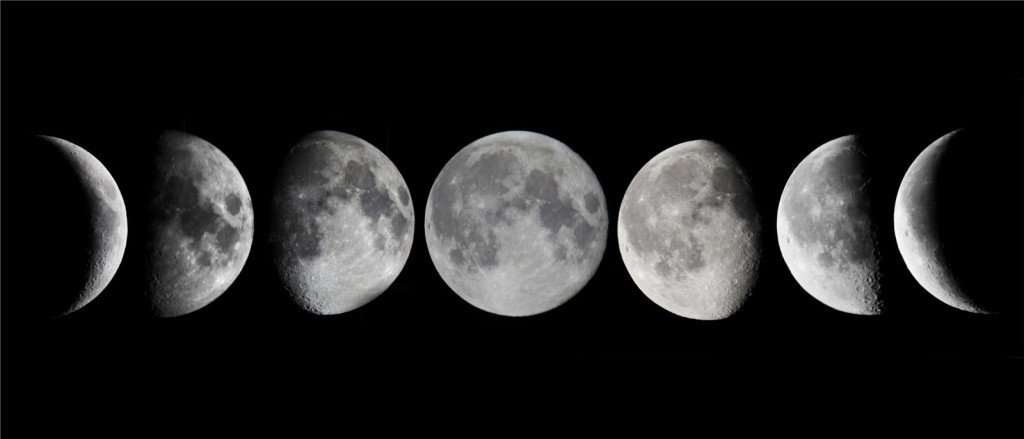
Central to the Echadi Indigenous Calendar are the 13 lunar cycles, each representing a distinct spiritual season and energetic phase. Every cycle is connected to sacred symbols, natural elements, and ancestral archetypes. Rather than naming months after emperors or colonial figures, Echadi cycles are named in honor of cosmological principles and Earth’s sacred energies—such as the Cycle of the Seed Moon, Cycle of the Ancestor Breath, or Cycle of the Sacred Waters.
These names are not metaphorical; they are instructive. They guide behavior, ceremony, and community focus, aligning the people with the wisdom of their ancestors and the living Earth.
Sacred Timekeeping as Cultural Resistance and Restoration
The reintroduction of the Echadi Calendar is a form of cultural sovereignty and spiritual resistance. For centuries, Indigenous time systems were erased, outlawed, or ignored in the name of modernization. The Gregorian calendar played a key role in disrupting Indigenous rituals, agricultural cycles, and ceremonial gatherings.
By reclaiming sacred time, the Echadi reject imposed systems and reclaim their internal compass. This is not a nostalgic gesture—it is an act of cultural restoration and psychological liberation. Sacred time reconnects people to their own cosmology, offering healing in a world dominated by artificial urgency and colonial fragmentation.
A National Calendar of Unity, Ceremony, and Self-Governance
The Echadi Indigenous Calendar also serves a national function—it provides the official timeline for ceremonies, governance, education, and spiritual observances within the Echadi Nation Republic. From National Days of Remembrance to Seasonal Renewal Festivals, each date is spiritually aligned and culturally significant.
Reawakening Collective Consciousness Through Time
Perhaps most powerfully, the Echadi Indigenous Calendar is helping to reshape national consciousness. In a world dominated by speed, detachment, and disconnection, the calendar invites reflection, intentionality, and unity. It teaches that every moment has a spiritual dimension—that time itself is sacred space.
Conclusion
The restoration of the Echadi Indigenous Calendar is more than a cultural project—it is a spiritual return to the heartbeat of the Earth and the wisdom of the ancestors. By reclaiming sacred time, the Echadi Nation is reshaping how its people live, govern, remember, and thrive. In a world bound by artificial deadlines and mechanical routines, this calendar brings the sacred back into everyday life. It reminds us that time is not a machine, but a living rhythm—a gift to be honored, not a resource to be consumed.